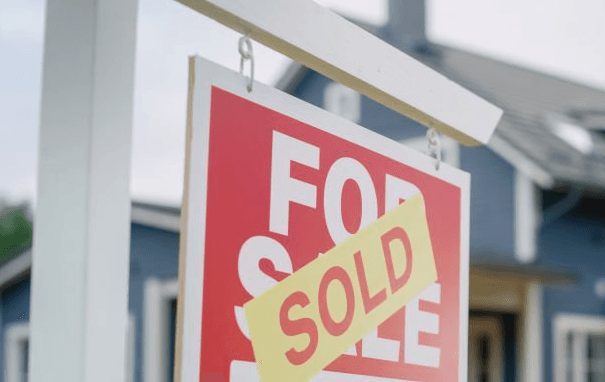
Montreal-area home sales fell 3.2% in February compared to last year, even as prices continued climbing—a pattern that's becoming familiar across Canadian housing markets. The drop signals what Quebec's real estate board calls a "sales slowdown," but it hasn't translated into relief for buyers. Prices keep rising despite fewer transactions, creating a frustrating paradox: homes are getting less affordable even when demand appears to be cooling.
This is happening because cities aren't building enough new homes to meet demand, and one major roadblock is sky-high municipal fees. Recent Fraser Institute research shows that building a new high-rise unit in Hamilton costs developers $59,600 per unit in municipal fees, $38,100 in Ottawa and $27,200 in London—compared to $11,100 in Calgary, $8,000 in Halifax and $6,300 in Winnipeg. These fees cover things like development charges, parkland dedication, and community benefits charges. When you're paying six or seven times more in government fees before you even break ground, those costs get passed straight to buyers and renters. The problem extends well beyond Toronto, affecting mid-sized Ontario cities where prices have surged faster than incomes.
Here's how these fees actually work: when a developer wants to build an apartment building or townhouse complex, the municipality charges them upfront for infrastructure like roads, sewers, parks, and transit expansions. Multiple fees, including application and permitting fees, development charges, parkland dedication, and community benefits charges, significantly affect housing costs. The city justifies this by saying new development should pay its own way. But when those fees reach $60,000 per unit, they make it impossible to build affordable housing. The math just doesn't work for developers, so fewer homes get built—and the ones that do get built cost more.
The Montreal slowdown is a warning sign that high prices are finally dampening buyer activity, but without changes to how cities charge developers, don't expect meaningful price drops. Lower municipal fees, faster permit approvals and fewer building restrictions make it easier to build homes—which is exactly what cities like Calgary and Edmonton have done to stay more affordable. Until Montreal and other expensive Canadian cities tackle the fee problem, they'll keep seeing this uncomfortable combination: falling sales and rising prices, with families squeezed on both ends.