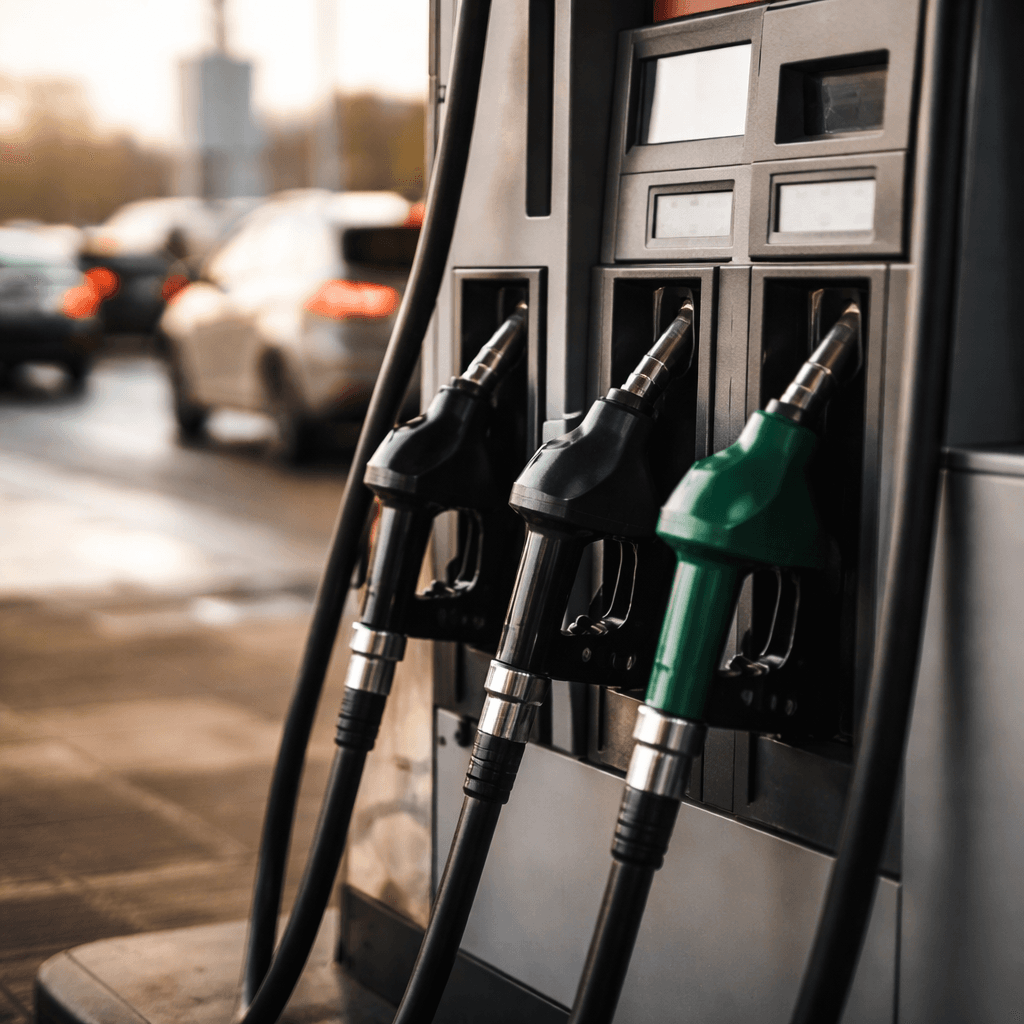
This sudden pressure fits a pattern that researchers at the C.D. Howe Institute have been tracking closely. Since September 2025, inflation has been above target, with soaring food prices driving much of the increase. In a recent analysis, economists warned that these price pressures could force the Bank of Canada to rethink its dovish stance. The gas price explosion adds fuel to that fire—literally. When energy costs jump this fast, they ripple through the entire economy, pushing up the cost of everything from groceries to shipping. That's exactly the kind of inflationary pressure that makes rate hikes more likely.
Here's how it works. The Bank of Canada watches core inflation measures to figure out where prices are headed in the medium term. But energy shocks create a tricky situation. When gas prices surge because of global upheavals in energy and trade, they can push headline inflation well above the central bank's 2% target even if the underlying economy isn't overheating. The question facing policymakers: Is this temporary, or will higher gas prices feed into broader inflation expectations? If Canadians start expecting prices to keep rising, they'll demand higher wages, and businesses will raise prices to cover costs—creating a wage-price spiral that's hard to stop. That's why markets are betting the Bank might hike rates despite economic weakness elsewhere.
The stakes are high. After cutting rates throughout 2025 to support a sluggish economy, the Bank of Canada now faces a dilemma. Raising rates to fight energy-driven inflation could hammer an already fragile housing market and push unemployment higher. But letting inflation run hot risks losing credibility on their core mandate. Money markets are essentially placing bets that the Bank will choose inflation-fighting over growth-supporting—at least in the short term. For regular Canadians filling up their tanks, the message is clear: gas isn't the only thing getting more expensive. Borrowing costs might be heading up too.